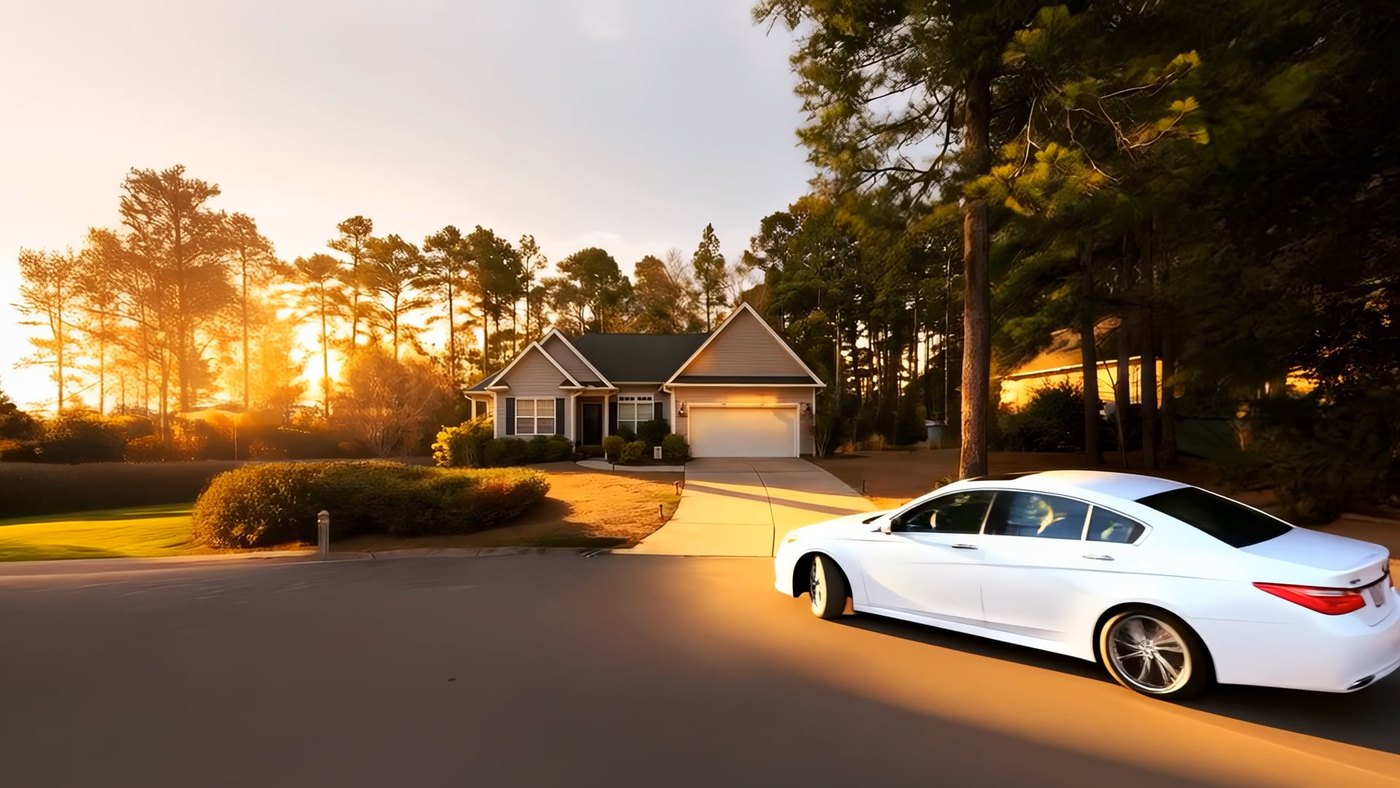
Shooting Vertical and Wide on the Same Day
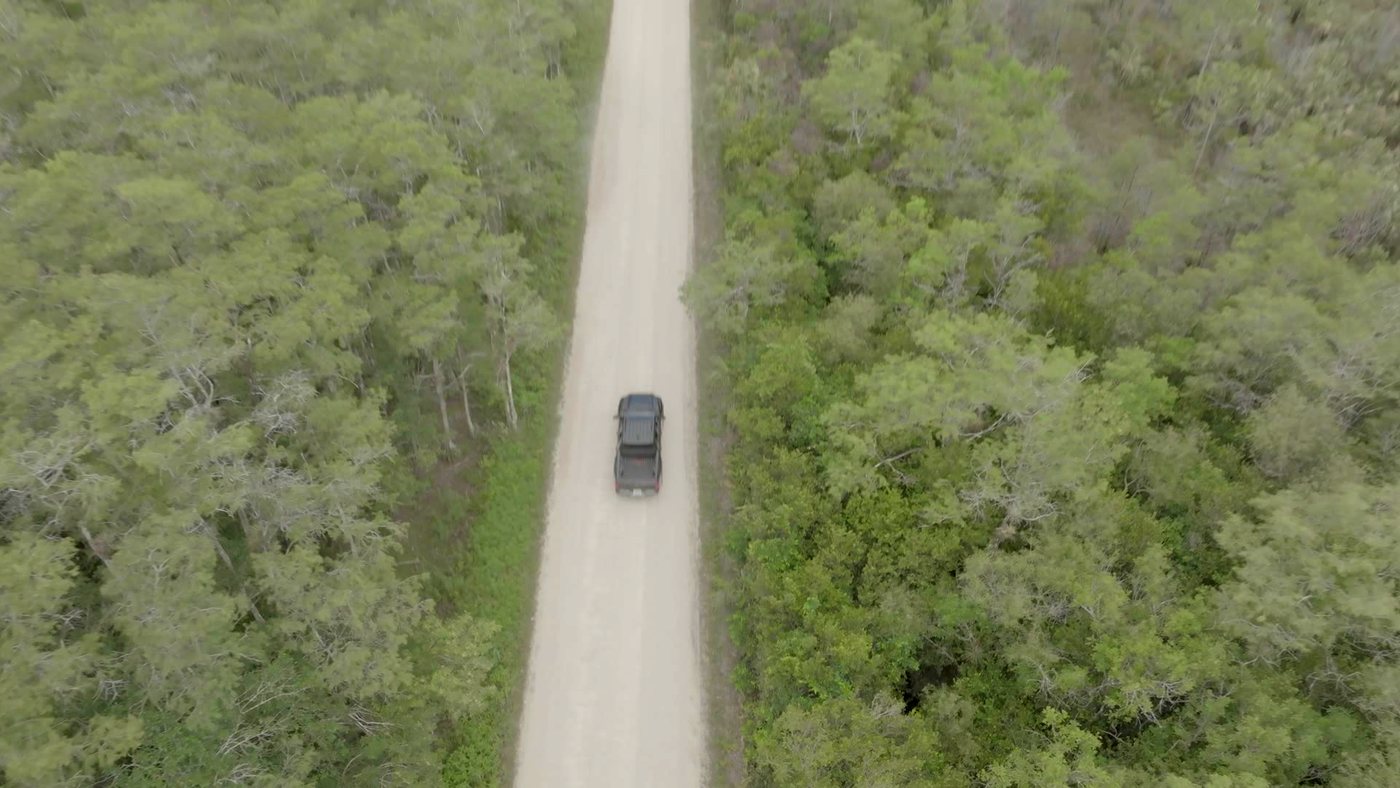
A common sequence: a brand commissions a film, it is shot and delivered in widescreen, and then someone asks for vertical cuts for the feed. The editor crops in, the composition falls apart, heads get clipped, text has nowhere to sit, and what was a well-framed film becomes a compromised square-ish rectangle.
The result is usually acceptable and never good, which is a bad place for content that will get more views than the film it came from.
Why the crop fails
Widescreen and vertical are not the same frame at different sizes, they are different compositional problems. A wide frame uses horizontal space for context: the subject on one side, the environment on the other. Vertical removes exactly that space. The relationship the shot was built on is the first thing the crop destroys.
Vertical also changes where attention sits and where interface elements land. The bottom of the frame is frequently covered by captions, usernames and buttons, so anything important placed low is effectively lost.
Solving it at capture
The fix is to decide before the shoot that both formats are deliverables, and then to handle it in one of two ways. Either shoot with enough headroom and centred framing that a vertical extraction is viable, planned shot by shot. Or run a second camera in vertical alongside the main one for the sequences that matter most.
The second option sounds like double the work and rarely is. The lighting, the location, the talent and the crew are already there. Adding a camera on its own stand captures a parallel set of properly composed vertical material for a small fraction of what a separate shoot would cost.
What it changes in the edit
Downstream the benefit compounds. An editor with purpose-built vertical coverage produces short-form that looks designed rather than salvaged, and produces it faster. Nobody is fighting the frame.
The decision costs almost nothing when it is made before the shoot and is expensive to reverse afterwards. If short-form matters to the brand, and it usually does, it should be in the plan rather than in the clean-up.
Tell us where you're at and we'll point you to the right next step.