What a Shot List Actually Prevents
Shot lists have a reputation for being bureaucratic, the sort of thing that gets in the way of a good day. The objection is usually that the best moments are unplanned, which is true and is not an argument against planning.
A shot list is not a script for the day. It is insurance against the one category of error that cannot be fixed later: not having the material.
The failure it exists to stop
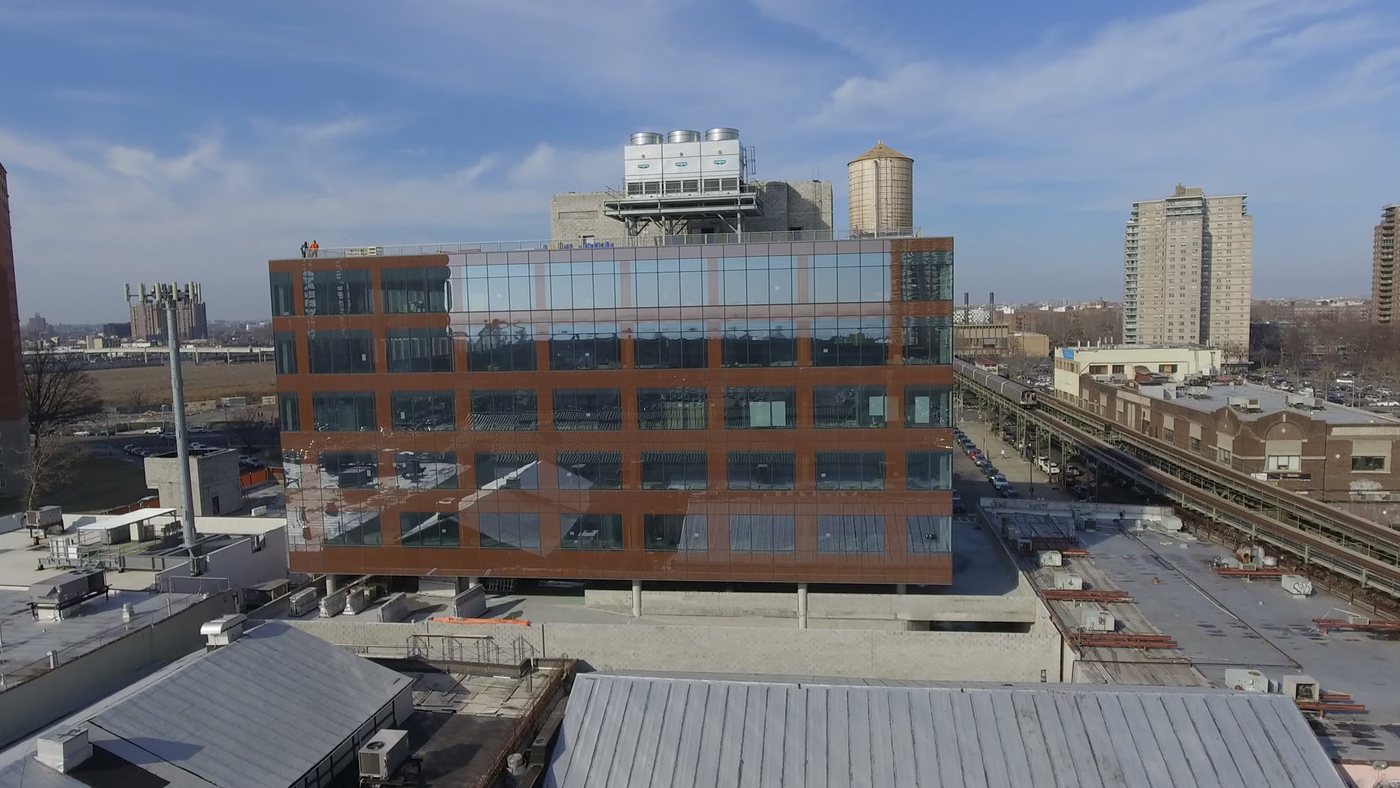
Almost everything that goes wrong on a shoot can be handled in post or on a reshoot of one element. A shot that was never captured cannot. It surfaces two weeks later, in an edit, when the sequence needs a wide establishing shot of the building and nobody took one because everyone was focused on the interview.
That gap is expensive in a way that is easy to underestimate. It means a return visit, coordination with the client, and a delay that pushes the whole schedule. Twenty minutes of listing beforehand removes most of it.
Write it from the edit backwards
The useful way to build one is not to walk through the day and list what you will film. It is to imagine the finished pieces and work backwards to what each needs. If the deliverables are a two-minute film and six verticals, each of those needs an opening image, supporting coverage and something to end on. Listed that way, the gaps are obvious while they are still cheap.
This is also where the vertical crops get caught. A sequence framed only for a wide screen will not survive a nine-by-sixteen crop, and the moment to notice that is on the list, not in the edit.
Then hold it loosely
Once it exists, the list should stop being the point. The best material on most days is something nobody wrote down: an unplanned exchange, weather that turns, a room that looks better than expected. A crew working from a list they have already internalised is freer to chase those things, because they know what is already safely captured and what is still outstanding.
Structure and spontaneity are not opposites here. The list is what makes it safe to improvise.
Tell us where you're at and we'll point you to the right next step.